
What to Wear in Kiruna: The Ultimate Year-Round Arctic Clothing Guide
So, you’ve booked your ticket to Kiruna, 200km north of the Arctic Circle. Whether you’re coming to witness the dancing Northern Lights at -30°C or to hike under the 24-hour Midnight Sun, one question remains: What do I actually pack?
Knowing what to wear in Kiruna is more than just a conversation starter—it’s a survival skill. We have a saying here in Swedish Lapland: “Det finns inget dåligt väder, bara dåliga kläder” (There is no such thing as bad weather, only bad clothing). This guide is designed to move you past the “generic” travel advice and give you the local secrets to staying comfortable in one of the most extreme environments on Earth.
The Golden Rule: The 3-Layer System (Winter & Beyond)
If you ask a local for the best advice on what to wear in Kiruna, they will always tell you: Layers. The 3-layer system is a scientific approach to heat management. By wearing multiple thinner layers, you trap air between the fabrics. This “dead air” is the best insulator in the world.
Layer 1: The Base Layer (Moisture Management)
When deciding what to wear in Kiruna as your first layer, remember that it sits directly against your skin. Its only job is to wick sweat away.
- The Material: Merino Wool is the local choice. It is warm, breathable, and stays warm even if it gets slightly damp.
- The “No-Go”: Never wear cotton. Cotton absorbs moisture and stays wet. In Kiruna, “Cotton is Rotten.”
Layer 2: The Mid-Layer (Insulation)
This is the “oven” of your outfit. A thick fleece or a heavy wool sweater is essential when planning what to wear in Kiruna during the winter months. For extreme cold, locals often wear two mid-layers.
- The Material: A thick fleece or a heavy wool sweater. For extreme cold (-20°C and below), you may even want a lightweight “down sweater” (a thin puffer jacket) as a second mid-layer.
Layer 3: The Outer Layer (The Shield)
This protects you from the biting wind. When choosing what to wear in Kiruna for your outer shell, make sure it is windproof and one size larger than your usual fit. If it’s too tight, you lose the warm air pockets that keep you alive.
- The Material: A windproof and waterproof parka.
- The Fit: It must be one size larger than your usual fit. If it’s too tight, it squeezes out the warm air from your layers, and you will freeze instantly.
Kiruna Weather & Clothing Comparison by Season
To help you plan your packing list, we have summarized the average temperatures and essential gear priorities for each of Kiruna’s distinct seasons below. Whether you are chasing the Northern Lights in the deep freeze of January or hiking under the Midnight Sun in July, use this table as your baseline for what to wear in Kiruna.
| Season | Months | Avg Temp (C) | Daylight | Key Gear Priority |
| Deep Winter | Dec – Feb | -10° to -30° | 0 – 6 hrs | Heavy Parka, Snow Boots, Mittens |
| Spring-Winter | Mar – Apr | -5° to -15° | 12 – 16 hrs | Sunglasses, Sunscreen, Waterproof Boots |
| Summer | Jun – Aug | +10° to +20° | 24 hrs | Eye Mask, Mosquito Repellent, Fleece |
| Autumn | Sep – Oct | +5° to -5° | 15 – 9 hrs | Rain Jacket, Hiking Boots, Base Layers |
Winter in Kiruna (November – March): Surviving -30°C
Winter is the most popular time to visit, but it requires the most specific gear. If the forecast says -25°C, your choice of what to wear in Kiruna becomes a matter of safety.
Feet: Protecting Your Foundation
The ground in Kiruna is a giant block of ice. It will pull the heat out of your boots in minutes. You need “Sorel-style” boots with a thick rubber sole (at least 2-3cm). If you can’t wiggle your toes, your boots are too tight, and you will get cold.
Pro Tip: Always choose wool socks over synthetic ones.
Hands: The Photographer’s Strategy
Most people make the mistake of wearing just one pair of gloves. Locals use a Liner Glove + Mitten combo. Wear a thin touchscreen liner glove so you can use your phone, and a heavy, insulated mitten over it. Mittens are 5x warmer than gloves because your fingers share body heat.
Accessories: The “Chimneys”
You lose massive amounts of heat through your head and neck. A wool hat that covers your ears and a buff or neck gaiter are essential. Scarves can come undone; a gaiter stays put even in a blizzard.
Popular Winter Tours & Activities
Whether you are visiting the ICEHOTEL or heading out into the wilderness, these are the top-rated ways to experience Kiruna in winter.
Note: Some professional tours include thermal gear rentals—be sure to check the “What’s Included” section on each tour page to see if suits and boots are provided.

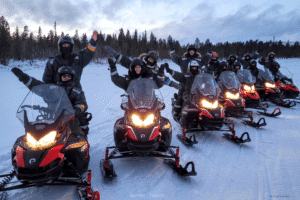
Snowmobile tour to the Iconic ICEHOTEL
Should you choose to see the world-famous ICEHOTEL or experience what it’s like to drive a snowmobile in the Arctic? We say—do both! The journey takes you across the frozen Torne River.
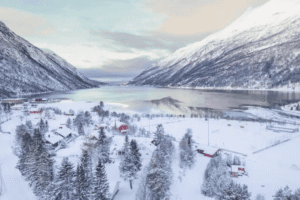
Day Tour to Narvik Norway
Embark on a breathtaking journey from Kiruna to the Norwegian coast. Our Day Tour to Narvik offers a perfect blend of high mountain peaks, deep fjords, and a visit to the charming city of Narvik.
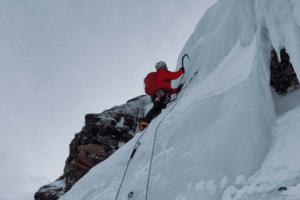
Ice Climbing in Abisko
Challenge yourself against the vertical ice of the North. Ice Climbing in Abisko provides a safe, guided introduction for beginners and experts alike amidst the beauty of the Abisko valley.
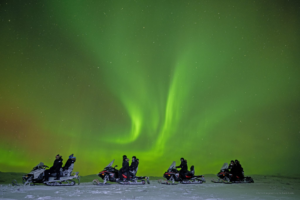
Electric Snowmobile Aurora Tour in Abisko
Explore the Arctic in a sustainable and peaceful way. Our Electric Snowmobile Aurora Tour Abisko offers a silent journey through quiet valleys in search of the Northern Lights.
"Spring-Winter" & Spring (April – May): The Season of Light
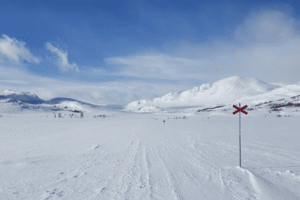
April is many locals’ favorite month. We call it “Vårvinter” (Spring-Winter). The sun is strong, but the snow is still deep.
Sunglasses are Not Optional
In April, the sun reflects off the white snow with incredible intensity. Without high-quality UV-protected sunglasses, you risk “snow blindness.”
Waterproofing Becomes Vital
As the snow begins to melt, the ground turns to slush. While you can still wear your winter parka, you need to ensure your boots are 100% waterproof. This is the season for “Gore-Tex” everything.
Spring-Winter Adventures & Daytime Excursions
Enjoy the return of the Arctic sun with snowshoeing, dog sledding, and snowmobile tours. As the snow remains deep but the days grow longer, these activities offer the best of the “fifth season”.

Snowshoeing in Abisko from Kiruna
Discover the “spring winter” of the North on a day of Snowshoeing in Abisko from Kiruna. Explore frozen creeks and mountain trails in Sweden’s most iconic National Park.
Ice Fishing Day Tour in Kiruna
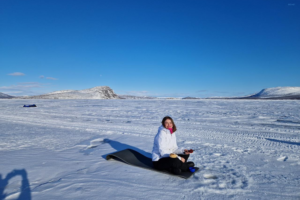
Discover the magic of a Full Day Ice Fishing in Kiruna. Journey to the famous Lake Torneträsk, where the water is so clear it feels like fishing in a natural aquarium.

Snowmobile tour to the Iconic ICEHOTEL
Should you choose to see the world-famous ICEHOTEL or experience what it’s like to drive a snowmobile in the Arctic? We say—do both! The journey takes you across the frozen Torne River.

Ice Climbing in Abisko
Challenge yourself against the vertical ice of the North. Ice Climbing in Abisko provides a safe, guided introduction for beginners and experts alike amidst the beauty of the Abisko valley.
Summer in Kiruna (June – August): The Midnight Sun
Even under the Midnight Sun, knowing what to wear in Kiruna is tricky. Temperatures can hit +20°C in the day and drop to +5°C the moment the sun dips.
Packing for the Midnight Sun
Even in summer, you should still follow the layering principle. A t-shirt is fine for the day, but always carry a fleece and a lightweight windbreaker for the evening. If you are hiking in Abisko, the weather can change from sun to rain in minutes.
The “Arctic Mosquito” Defense
Summer is mosquito season. If you are heading into the forest or mountains, you need long-sleeved shirts and trousers made of a tight weave that mosquitoes can’t bite through.
Pro Tip: Buy your mosquito repellent locally in Kiruna—it’s stronger and specifically designed for our northern “vampires.”
Autumn in Kiruna (September – October): The Colors and Frost
Autumn is “Ruska” season—when the landscape turns vibrant orange and red. This is also when the first Northern Lights appear.
Dressing for the First Frost
September is damp. You need a reliable raincoat and waterproof hiking boots. By October, the first snow usually arrives, so it’s time to bring back the merino base layers. If you are out at night chasing the early Aurora, you will need nearly as much gear as in mid-winter!
Summer & Autumn Arctic Experiences
Explore Kiruna under the Midnight Sun or during the vibrant “Ruska” autumn colors. From hiking in Abisko to early-season Northern Lights chases in September, these are our favorite ways to see the landscape without the deep freeze.

Day Tour to Narvik Norway
Embark on a breathtaking journey from Kiruna to the Norwegian coast. Our Day Tour to Narvik offers a perfect blend of high mountain peaks, deep fjords, and a visit to the charming city of Narvik.
Day Tour to Abisko
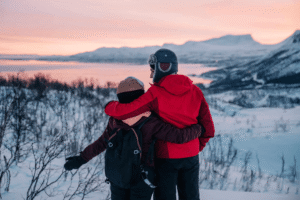
Discover the natural beauty of Abisko on our Day Tour to Abisko. Enjoy amazing views of the river canyon and the frozen Silver Waterfall, followed by a relaxing lunch in the mountain village of Björkliden.
Northern Lights Car Chase
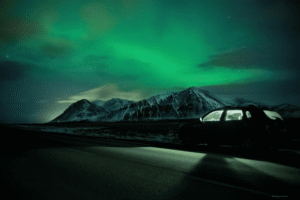
Set out on a thrilling adventure with our Northern Lights Car Chase. We drive away from light pollution to carefully selected spots, maximizing your chances of witnessing the breathtaking Aurora Borealis.
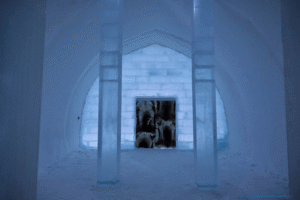
Tour to Icehotel and Jukkasjärvi
Join our local Sámi guides on a tour to the world famous Icehotel in Jukkasjärvi. Visit the original Icehotel, the oldest parts of the village, and meet reindeer at the Nutti Sámi Siida museum.
Your Kiruna Winter Packing Checklist
Preparing for -30°C? Check off these essentials as you pack to ensure you stay safe and warm in the Arctic.
[ ] Merino Wool Base Layers (Top & Bottom)
[ ] Heavy Wool or Fleece Mid-layer
[ ] Windproof/Waterproof Parka (Thigh-length)
[ ] Insulated Arctic Boots (Sorel/Baffin style)
[ ] Wool Socks (Avoid 100% cotton)
[ ] Liner Gloves + Heavy Mittens
[ ] Wool Hat (Must cover ears)
[ ] Neck Gaiter / Buff
[ ] Sunglasses (Essential from February onwards)
[ ] High-Capacity Power Bank (For cold-sensitive batteries)
Renting vs. Buying: A Reseller’s Expert Tip
Many visitors worry about the high cost of purchasing a full Arctic wardrobe for a single trip. A high-quality parka rated for -30°C can easily cost over 600€—a steep investment for a one-week holiday. The good news? You don’t necessarily have to buy it all.
Option 1: Tours with Gear Included
Because we represent Kiruna’s premier activity providers, many of the experiences we offer on Discover Kiruna actually include professional thermal gear in the price. These are often heavy-duty snowmobile overalls, insulated boots, and mittens specifically designed for the Swedish Lapland climate. They are much higher quality than standard high-street winter wear and provide a “safety net” for those coming from warmer climates.
Option 2: Local Rental Shops
If you have booked an activity that doesn’t include gear, or if you simply want a high-performance outfit for your entire stay, Kiruna has several excellent independent rental options. Local experts like Camp Ripan or Kiruna Guidetur offer rental packages where you can hire everything from Fjällräven parkas to specialized Arctic boots. This is the ultimate “travel light” strategy—you can bring your own base layers and fleece, then pick up your heavy outer shell once you land in the Arctic.
Pro Tip: Before you click “Book,” always check the “What’s Included” section of the tour description. This could save you hundreds of euros in packing costs and ensure you stay warm from the moment you leave your hotel.
FAQ: Frequently Asked Questions About Kiruna Clothing
Can I wear jeans?
Indoors, yes. Outdoors, no. Jeans are made of cotton. If they get damp from snow, they will freeze and become ice-cold against your skin.
Should I bring hand warmers?
Yes! Chemical hand and toe warmers are a fantastic “safety net” for long Northern Lights watches.
What about my phone?
In Kiruna’s winter, a phone battery can drop from 80% to 0% in seconds. Keep your phone in an inner pocket close to your body heat.
Is the "What to wear in Kiruna" list different for children?
The 3-layer system is the same, but kids lose heat faster. Always pack an extra wool mid-layer for them.